 Base
Base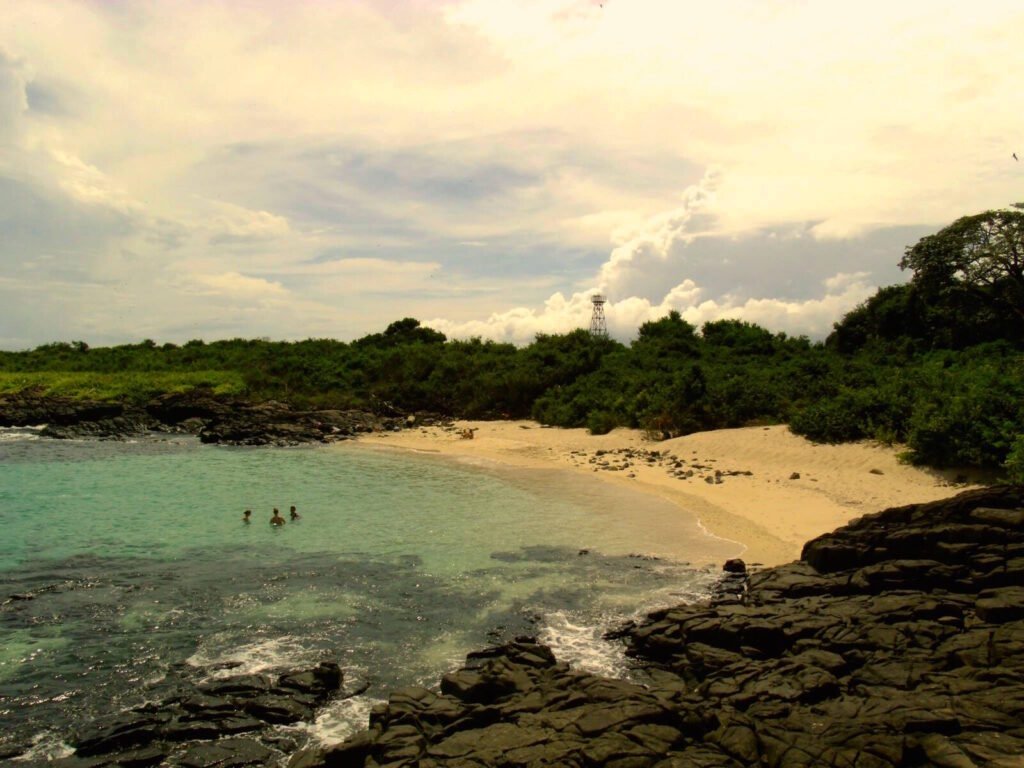
Last verified: August 20, 2026.
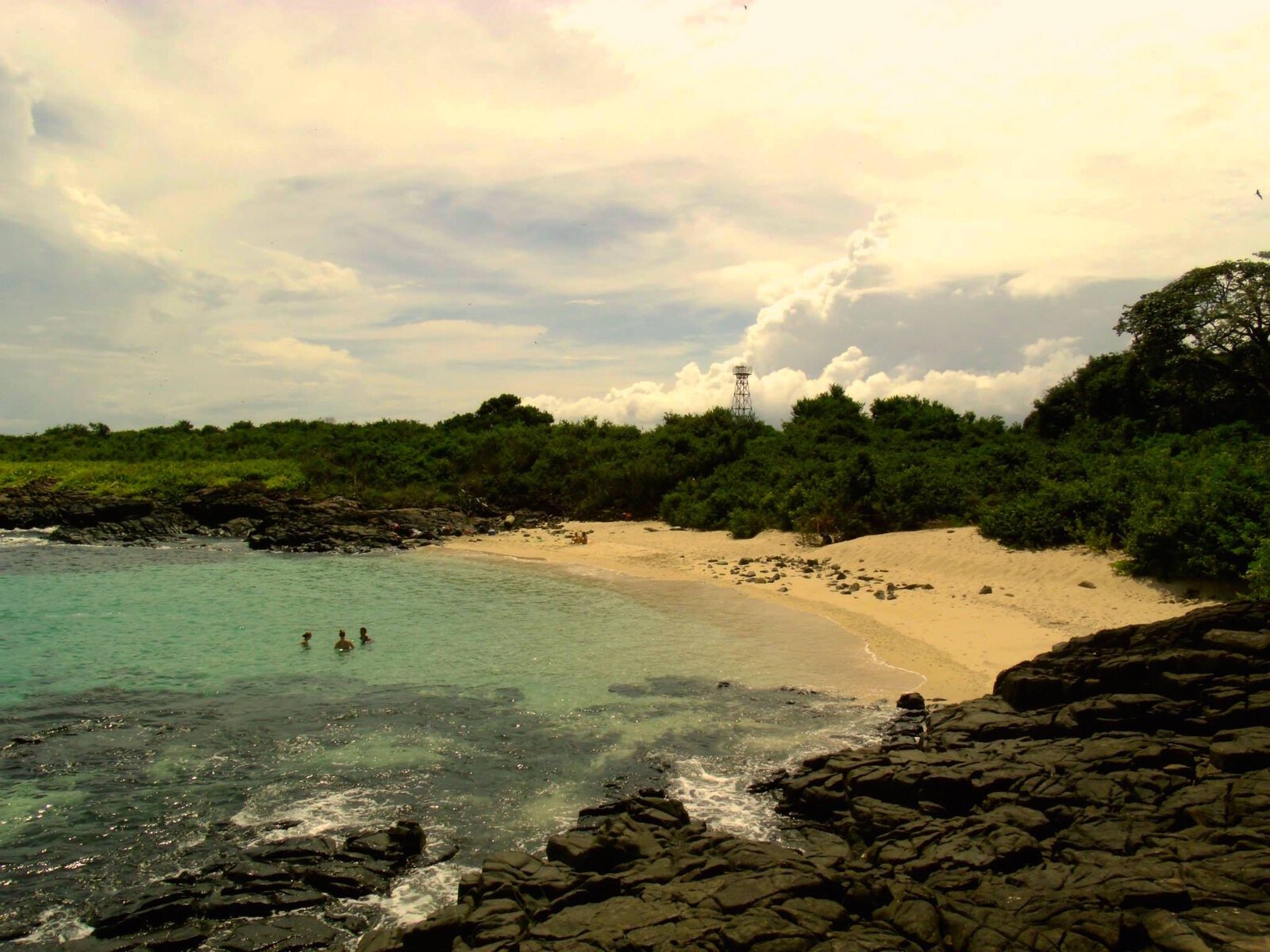
Pedasí, at the tip of the Azuero Peninsula, is where Panama keeps its “Tuna Coast” — yellowfin, marlin and the legendary roosterfish a few miles off the beach, with a fraction of the boats fighting for water elsewhere in Central America. This guide collects what actually matters: real charter prices with names and contacts, the honest logistics (spoiler: there is no marina), and a piece of news almost nobody has published — Panama rewrote its sport fishing law in 2026, and it changes your day on the water.
Why Pedasí is THE tuna coast
Panama’s own Tourism Authority makes the case plainly: there’s almost no sport fishing traffic here — less competition, more fish for you. The region’s official calendar:
- Year-round: roosterfish, cubera snapper and silk snapper;
- Yellowfin tuna: April to July;
- Black marlin: March, April, August and September;
- Wahoo: September to December;
- Bonus: humpback whales July to October (September peaks) — their season overlaps the fishing.
Real charters, real prices
| Operator | What | Price (per boat) |
|---|---|---|
| Libélulas Pedasí | 6-7h charter (up to 4 fishing), optional Isla Iguana combo | US$ 285-360 |
| Capt. Bayron Moscoso | Half-day inshore (4h) / full day (8h) / offshore — up to 3 anglers, 24-ft panga | US$ 290 / 345 / 480 |
| FISH PEDASi (English-speaking operation) | 5 fishing days + 6 nights package with transfers and meals | US$ 1,750-4,395 per person (drops with group size) |
A word from someone who checked: aggregators publish a “US$ 450-650 half-day” range that contradicts their own listings. The prices above come from the operators’ own rate cards, with names attached. FISH PEDASi, for the record, has real credentials: two 2023 IGFA records came off their boats (a 144 cm roosterfish and an 83 lb cubera).
The new fishing law (what changes for you)
On June 10, 2026 the government published Executive Decree No. 9, rewriting sport fishing nationwide — effective December 10, 2026. We read the text in the Official Gazette; the practical summary:
- Fishing on a licensed charter? You need no license at all. Clients aboard an authorized sport-fishing tour vessel are covered by the captain’s permit — it’s written into the decree.
- Fishing on your own (rented boat, friend’s boat, kayak, or from shore)? Then yes: a foreigner’s permit costs B/. 20 (7 days), B/. 60 (30 days) or B/. 150 (180 days), issued online by ARAP. Fine for boat fishing without one: B/. 100.
- Roosterfish became mandatory catch-and-release — along with marlins, sailfish, swordfish and tarpon. Take the photo, let it swim. For Pedasí’s signature species this is a historic change (and a good one for the fishery’s future).
- Selling your catch is banned — the fine is B/. 30 per pound and applies to the buyer too. Sharks and rays: no take, period.
- Retention limit on charters: 15 fish per boat/day (25 for private sport fishing), with digital logging of every retained fish.
Until December 10, the old 2012 regime applies — in practice, today your charter handles the paperwork. After that, the rules above are black on white.
Logistics, unfiltered
- By car: ~325 km from the capital on the Inter-American Highway via Chitré and Las Tablas — budget an honest 5 hours (FISH PEDASi’s own transfer assumes 4.5). From Panamá Pacífico the time is about the same, with a bonus: you’re already west of the Canal and skip the bridge bottleneck on the way out.
- By plane: Air Panama flies to Pedasí Sundays, Wednesdays and Fridays (fares only on their site); the alternative is flying to Chitré (~25 min, roughly US$ 140-150 one-way per aggregators) plus an hour’s drive.
- Where to stay: Libélulas Pedasí (US$ 45-50/night, official rate) and Casa Loma (US$ 50-65, breakfast and pool) hold the budget end; Casa Lajagua and Casita Margarita show up on aggregators around US$ 82-95.
- Isla Iguana combo: entry is B/. 10 for adult foreigners (retirees B/. 2, under-12s free) — and note: payment is online and in advance on the MiAmbiente site, receipt shown on arrival. Daily visitor cap, mandatory departure at 3 p.m.
The part nobody tells you
- The wind paradox: the “best season” (December-April, dry and sunny) is exactly the windiest — February averages 21 km/h and the sea chops up by afternoon. Dawn departures are mandatory, and anyone prone to seasickness will suffer in January. The calmest sea of the year is June — which still catches the tail of tuna season. Marrying the two is the trick.
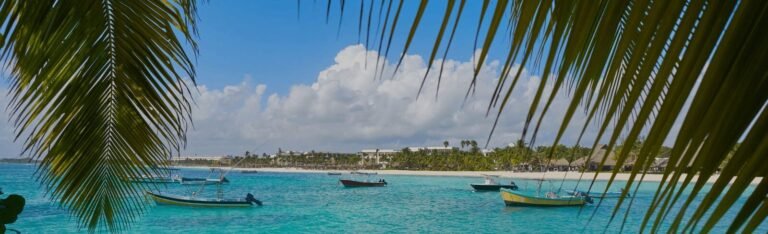
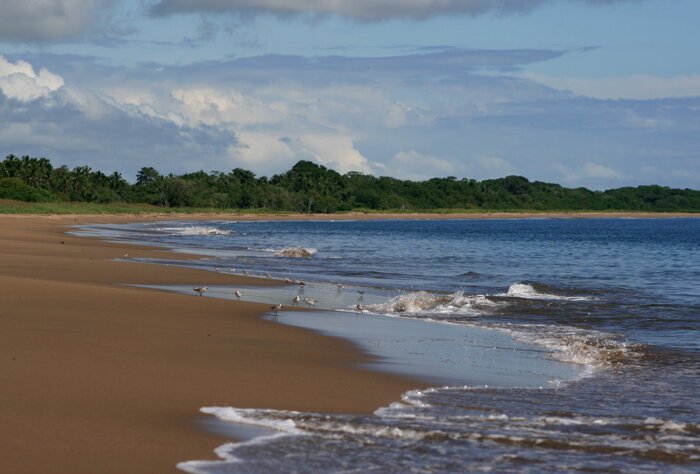
- There is no marina. You board feet-in-the-sand at Playa El Arenal, ~3 km from town. No pier, no coffee shop. And the local market’s “offshore” ride is a 24-ft panga with a 60 HP outboard — an honest, capable boat, but if you’re picturing a flybridge with A/C, recalibrate (or book the bigger operation’s package).
- Costs that aren’t in the price: the 10% tip (local custom, per the operators themselves), extra rod US$ 35, jigging tackle US$ 50/day (bring your own metal jigs — lose it, pay for it), food and drinks almost never included (the ice-filled cooler comes empty), transfers separate — and there is no Uber in Pedasí. 15% deposit, free cancellation only up to 7 days out.
- The boat language is Spanish. The declared exception is FISH PEDASi (“the town’s English-speaking operation,” their words). Settle everything on WhatsApp beforehand, in writing.
- Bring ID: under the new law, captains must log every passenger’s identity and nationality. Passport or cédula in the bag.
Honest verdict
Pedasí delivers what it promises: big fish, an uncrowded ocean and honest pricing — a full charter day at US$ 345 per boat is unbeatable on the mainland. The conditions: wake up early, accept the panga and the sand instead of a marina, and respect the new law (which, truth be told, protects exactly what makes this place worth it). If your calendar allows, aim for May-June: end of tuna season, glassy seas, and the village still empty. For the country’s economic context, our Panama by the Numbers helps; and if you’re extending the seafood trail in the capital, the Mercado de Mariscos is a mandatory stop.