 Base
Base
Last verified: August 14, 2026.
Panama remains one of the few places where a legal, permanent relocation can be completed in months, not years — with a territorial tax system, a fully dollarized economy and direct flights to most of the Americas and Europe. This is the map of the whole journey. Each step links to a deeper guide as we publish them.
⏱ The number that matters right now
The Qualified Investor Visa still accepts US$300,000 in real estate — but only until October 15, 2026. After that date the minimum rises permanently to US$500,000. If that is your route, the clock is running.
Step 1 — Pick your visa route
Almost everyone lands in one of three programs:
| Program | Main requirement | What you get |
|---|---|---|
| Qualified Investor | US$300k real estate (until Oct 15, 2026), or US$500k securities, or US$750k bank deposit | Permanent residency, processed in ~30 days |
| Friendly Nations | Citizenship of 50+ eligible countries + a local job, US$200k property or US$200k fixed deposit | 2-year provisional residency, then permanent |
| Pensionado | Lifetime pension of US$1,000+/month (US$750 if you own US$100k+ in property) | Immediate permanent residency + famous retiree discounts |
The investment must be held — five years for the Qualified Investor property, three years for the Friendly Nations deposit. Selling early without approval can cost you the residency.
Step 2 — Papers before plane tickets
Panama is document-strict. Before anything else you will need: a police clearance from your country (valid only a few months — time it well), apostilled birth and marriage certificates, and a Panamanian immigration lawyer. The lawyer is not optional: residency applications are filed through one. Legal fees typically run US$2,000–4,000 per applicant depending on the program.
Step 3 — The arrival trip
Your first formal trip usually covers: registering your passport at immigration, filing the application, getting the temporary carnet, and opening the process that leads to your cédula E (the local ID). With the Qualified Investor program this can compress into a single stay of a few weeks.
Step 4 — Banking, the honest part
Opening a personal bank account is the step that surprises people. Panamanian banks are conservative: expect to show source of funds, reference letters and patience. Start the banking conversation before you move, and treat the first account as a beachhead — options widen once you hold residency.
Step 5 — Choose where to actually live
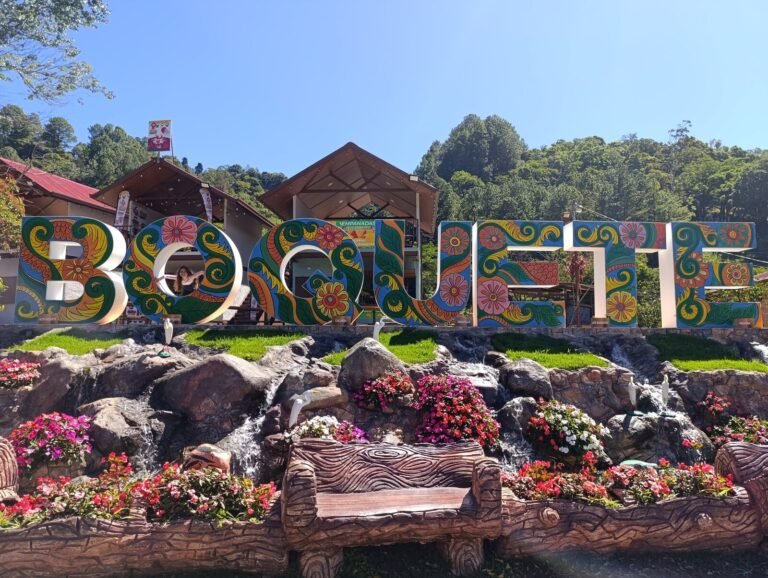
Panama City is not one market: Costa del Este and Punta Pacifica are the polished (and priciest) districts; San Francisco and El Cangrejo balance walkability and cost; Panamá Pacífico is the planned community popular with families and remote workers. Outside the capital, Coronado owns the beach-expat market and Boquete the cooler highlands — the retirees’ favourite, for its year-round spring weather. To size up the budget first, see our real cost-of-living breakdown.
Reality checks
- Rainy season is real (roughly May–December). Visit during it before committing.
- Spanish opens every door. English works in business circles, not at the counter.
- Costs are lower than the US, but Panama City is not “cheap” — see our cost-of-living breakdown.
From here, go deeper: our guide to every residency visa compared and what living here actually costs.