 Base
Base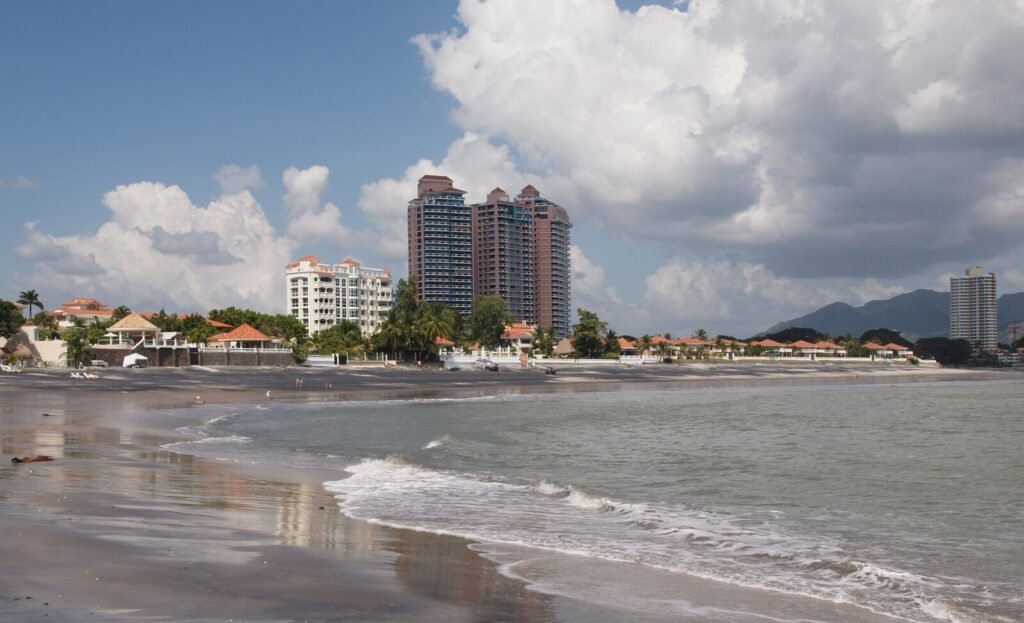
Last verified: August 21, 2026.
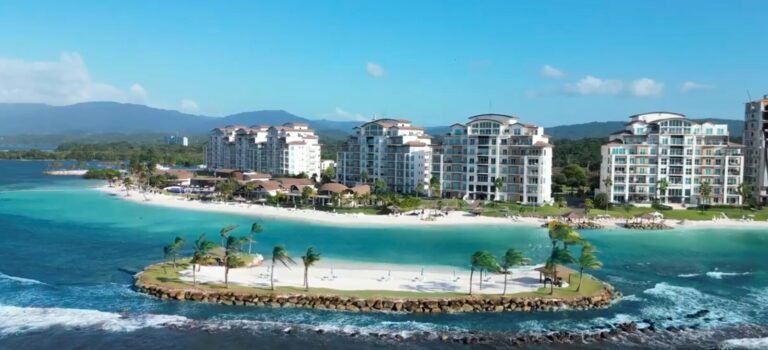
Coronado is the first address any agent shows a foreigner who wants beach living within reach of Panama City — and it is also where plenty of people find out late that the beach isn’t really public and the sand isn’t white. Here is what can be confirmed with a source before you sign anything.
What Coronado actually is
Playa Coronado sits in the district of Chame, province of Panamá Oeste — not Coclé, as several travel blogs keep repeating. It falls inside the Arco Seco, the stretch of the Panamanian Pacific with very low rainfall, and that explains much of the appeal: sunshine while the capital is underwater.
This is not a fishing village that turned into a beach town: Coronado was designed as a resort city in 1941 by Robert Eisenmann — a planned development with a club from the start. That is why the services are good and why access is gated.
The beach: marbled sand, not the Caribbean
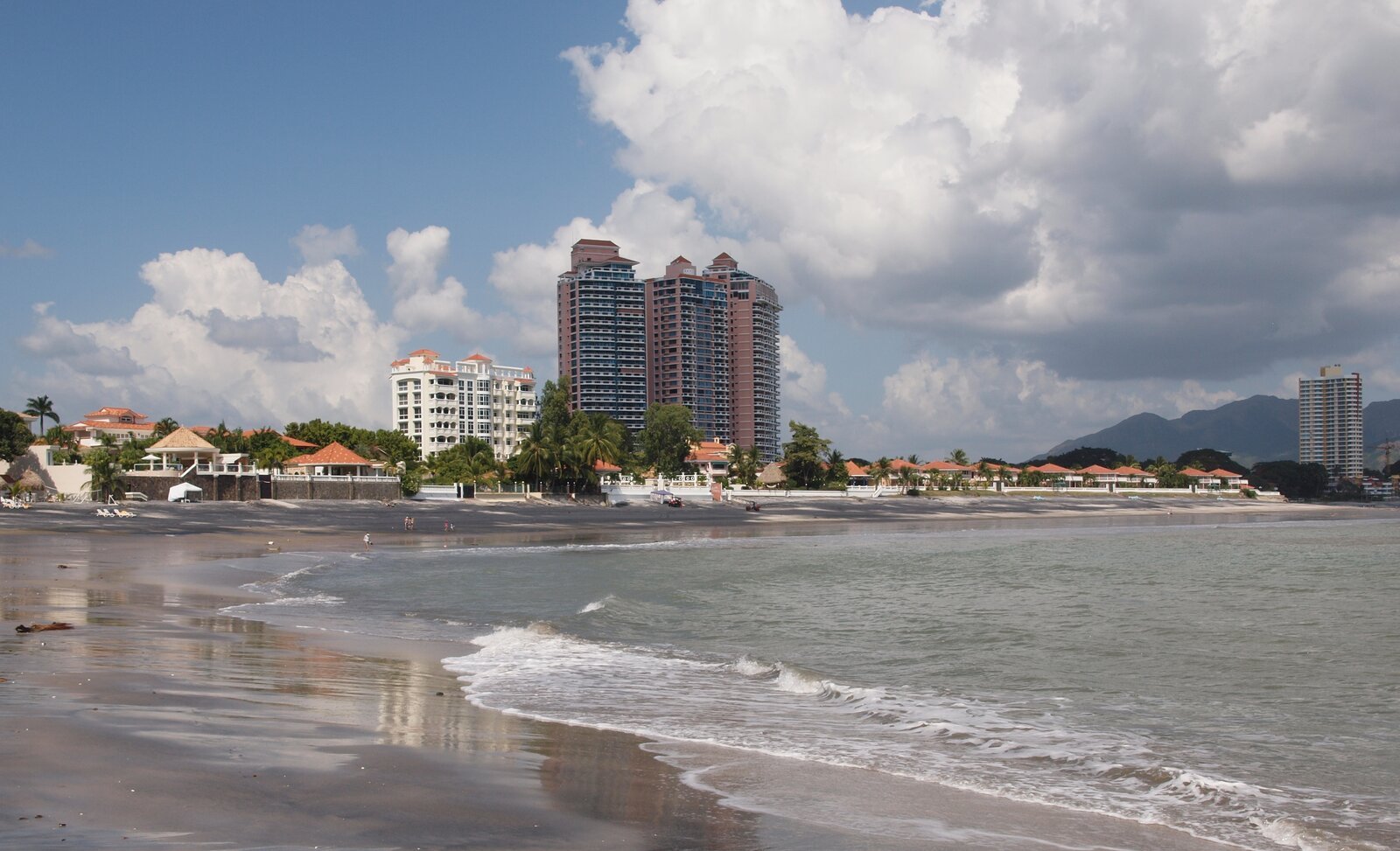
Coronado’s sand is mixed: bands of black volcanic sand alternating with white and grey, changing colour every few metres. Striking and unusual, but if you arrive expecting the pale-sand Caribbean postcard, you’ll be thrown. The waves are described as gentle and the swimming as calm.
What it costs: property, rent and living
Figures from August 2026 searches on real estate portals and expat-focused publications — market ranges, not a valuation of the unit you were shown.
| Item | Range (US$) |
|---|---|
| Inland condo (not beachfront) | 120,000 – 300,000 |
| Beachfront condo | 200,000 – 500,000+ |
| Houses | 250,000 – 400,000 |
| Top of the market (beachfront compounds) | 3,000,000+ |
| Rent, 1 bedroom | 800 – 1,200/month |
| Rent, 2 bedrooms | 1,200 – 1,800/month |
| Cost of living, retired couple (rent included) | 2,000 – 3,000/month |
To put that against the rest of the country, see Panama in numbers.
The infrastructure, which is the real selling point
- Healthcare: Clínica Hospital San Fernando Coronado runs 24 hours, an arm of the San Fernando network, founded in 1949 — not an improvised outpost.
- Schools: there are international options, led by Coronado International School.
- Shopping: Coronado is the commercial hub of the Pacific Riviera. El Machetazo (department store, supermarket, bakery and restaurant in one building) sits on the mountain side of the Interamericana, alongside other supermarkets, pharmacies and banks.
- Golf and club: an 18-hole course designed by Tom Fazio at the Coronado Golf & Country Club. Buying property inside the development comes with membership. The club includes a Beach Club, equestrian club, spa, tennis, gym, three restaurants and three bars.
Getting there
Sources disagree: Wikipedia cites 87 km in its summary and 60–65 km in the geography section, and travel guides say around 80 km. Drive time runs 1h20 to 2h — budget 1h30 from Panama City outside rush hour.
From Panamá Pacífico, the estimate is 60 to 70 minutes — an estimate, we found no direct source. The math: La Chorrera to Coronado is 51 km, about 45 minutes, plus roughly 25 minutes to La Chorrera on the Arraiján–La Chorrera highway, toll-free for passenger vehicles since 2009.
If you only want to visit
Coronado is not a place to stay: with the beach behind a guarded gate, there is nowhere to sleep facing the sea. The resorts with published rates sit in the neighbouring corridor of Santa Clara and Río Hato, about 40 minutes away by car: Gran Evenia Bijao, in Santa Clara, and Buenaventura, in Río Hato — each with its own guide here.
The part nobody tells you
- The beach is private in practice. Access runs through a gate with ID checks: security for residents, a wall for anyone who just wants to see the place. Plenty of listings sell “beach” without mentioning that you have to live there or be invited to set foot on it.
- Weekend traffic is real. On long holidays, cones block the entrance coming from the capital, and the local advice is to leave the city before 3 p.m. on Friday. The Interamericana also had partial closures scheduled through August near Panamá Oeste.
- Security: the housing format matters more than the statistics. Violent crime is genuinely rare. What residents actually watch is break-ins and theft — and the local answer is built into the design: a 24/7 gate that checks taxis and commercial vehicles on the way out, and towers and gated condos suffering far less than isolated houses. Picking the right format solves most of the issue.
- It is not a structured retirement community. The decisive point if you’re planning to grow old in Panama: there are no care homes or assisted living facilities in Coronado. And most health insurers in the country will not issue a new policy to anyone over 74. Getting to 60 here is easy; planning for 85 is a different conversation.
- Heat and humidity break people. Expat sources admit the hot, humid climate is hard to adapt to. Temperatures sit between 23 and 32 °C, with rain from May to December. If you want mountains and cool air, look elsewhere — read the Boquete guide.
Honest verdict
Worth it for anyone between 55 and 70 who drives and wants to live near the sea with a 24-hour hospital, a big supermarket and an existing foreign community an hour and a half from the capital. It also works for people who commute into the city and accept the drive in exchange for a bigger house, and for families who value an international school and a club.
Not worth it for anyone dreaming of white sand and clear water — the Pacific here is what it is. Not for anyone who won’t drive, or who wants a public beach and small-town life. And above all, not for anyone building a long-term ageing plan without health insurance secured before 74 and without an answer to “what happens when I need assisted care?”. Coronado handles the first ten years of retirement in Panama very well. The next ten you have to plan somewhere else.