 Base
Base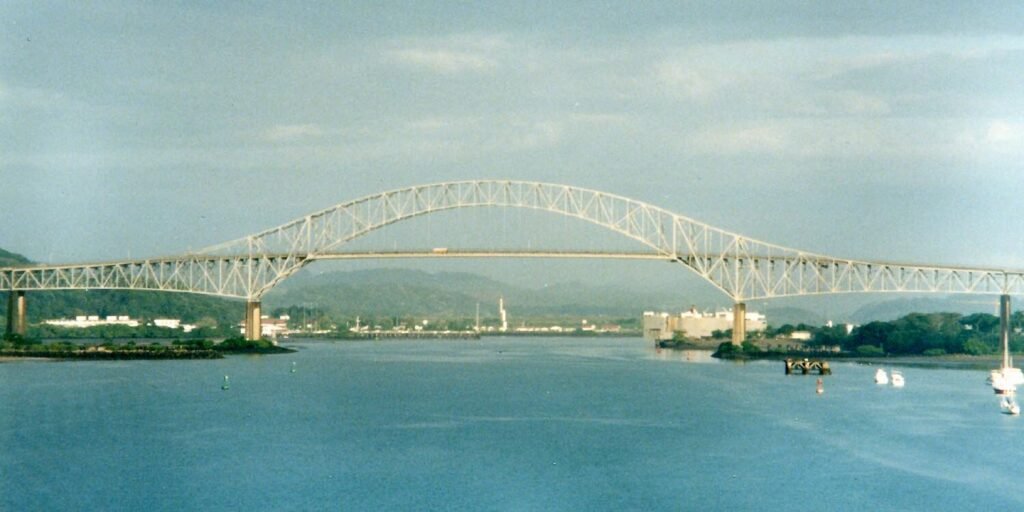
Last verified: August 20, 2026.
Panamá Pacífico is where our family chose to live — and this is the guide we couldn’t find anywhere. The former U.S. Howard Air Force Base became the country’s largest special economic area: a 1,400-hectare masterplan with planned neighborhoods, a business park hosting Fortune 500 companies, its own airport, and a tax regime written into law. Here’s the full picture: business, housing with real prices, infrastructure — and the caveats the developers’ ads leave out.
From military base to the “Singapore of the Americas”
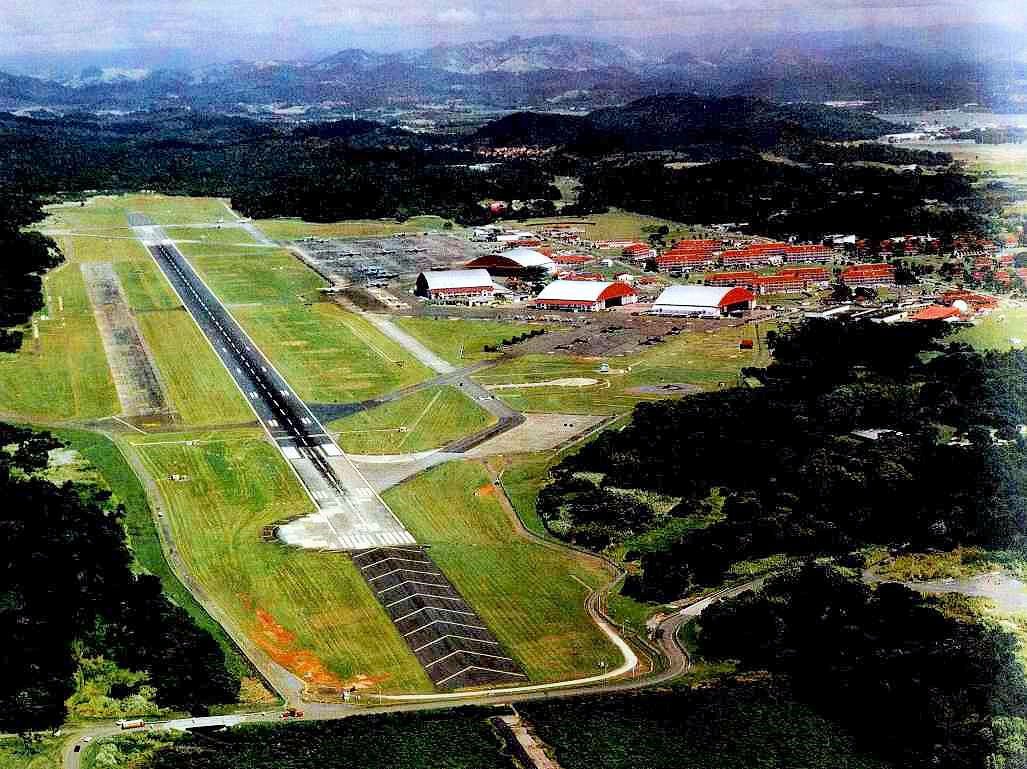
History explains the place. Howard operated from 1942 to 1999 as the U.S. military’s main air hub for Latin America — its 8,500-ft runway was the only jet-capable one south of the Rio Grande. Under the Torrijos-Carter Treaties everything reverted to Panama, and in 2004 Law 41 created the Panamá-Pacífico Special Economic Area, with its own agency (APP) and a special legal, tax, labor and immigration regime. Development went to a consortium led by Britain’s London & Regional: a 40-year license, construction since 2008, over US$ 700 million invested, and targets of 20,000 homes and 40,000 jobs.
For companies: the regime that draws the giants
Law 41’s package is blunt: income tax exemption for in-area activities, no ITBMS (VAT), no commercial license tax, no withholding on remittances abroad, no dividend tax — with 10 years of legal stability. On labor: 24-hour operations allowed, no night-shift premium, and expanded foreign-worker quotas. The result: over 400 active companies, including 3M, Dell, BASF, Caterpillar, VF Corporation and Samtec, in a business park with class-A buildings, 8 submarine fiber cables, and a one-stop government window bundling 15 public agencies. For investors: the Panamá Pacífico visa grants permanent residency with a US$ 250,000+ investment in an in-area company — and your household move ships in with import-tax exemption up to US$ 100,000. Our entrepreneur’s take on Panama completes this chapter.
For living: neighborhoods and real prices
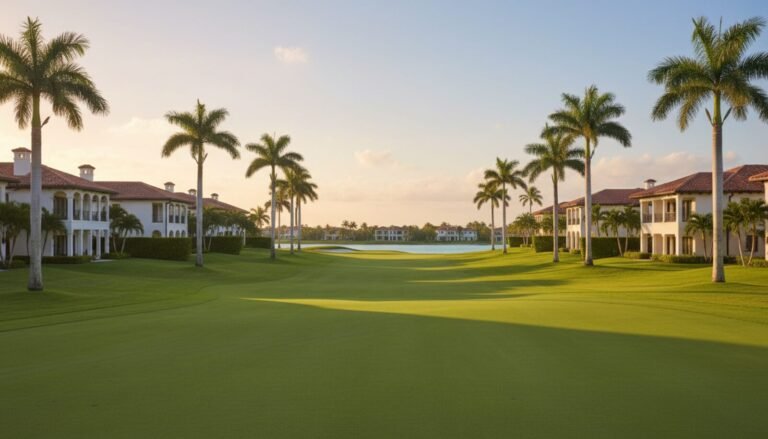
The masterplan’s neighborhoods have clear profiles: Woodlands (houses and midrises with trails), River Valley and Nativa (larger homes, clubhouse with a semi-Olympic pool), Mosaic, Soleo and Cëntriqo (Town Center apartments), up to the Tucán Country Club at the top. Figures below are from live Encuentra24 listings, August 2026:
| Type | Rent/month | Purchase |
|---|---|---|
| 1-bedroom apartment | US$ 700-900 | US$ 135-185k |
| 2-bedroom apartment | US$ 1,000-1,500 | US$ 180-300k |
| 3-bedroom apartment | US$ 1,200-2,100 | US$ 215-315k |
| 3-bedroom house | US$ 2,000-3,500 | US$ 250-570k |
| 4-bedroom / premium house | US$ 2,600-5,000 | US$ 565k-1.3M |
Daily life resolves inside the community: a supermarket (Riba Smith), pharmacy, banks, gym and the Town Center restaurant row — 25+ businesses. For schools, five private options from pre-K through 12th grade, including the Lycée Français International and Howard Academy, plus two universities. For health, the Panamedica clinic serves the community with certified ambulances — hold that thought for the caveats section.
Infrastructure: an airport of its own, and the bridge bottleneck
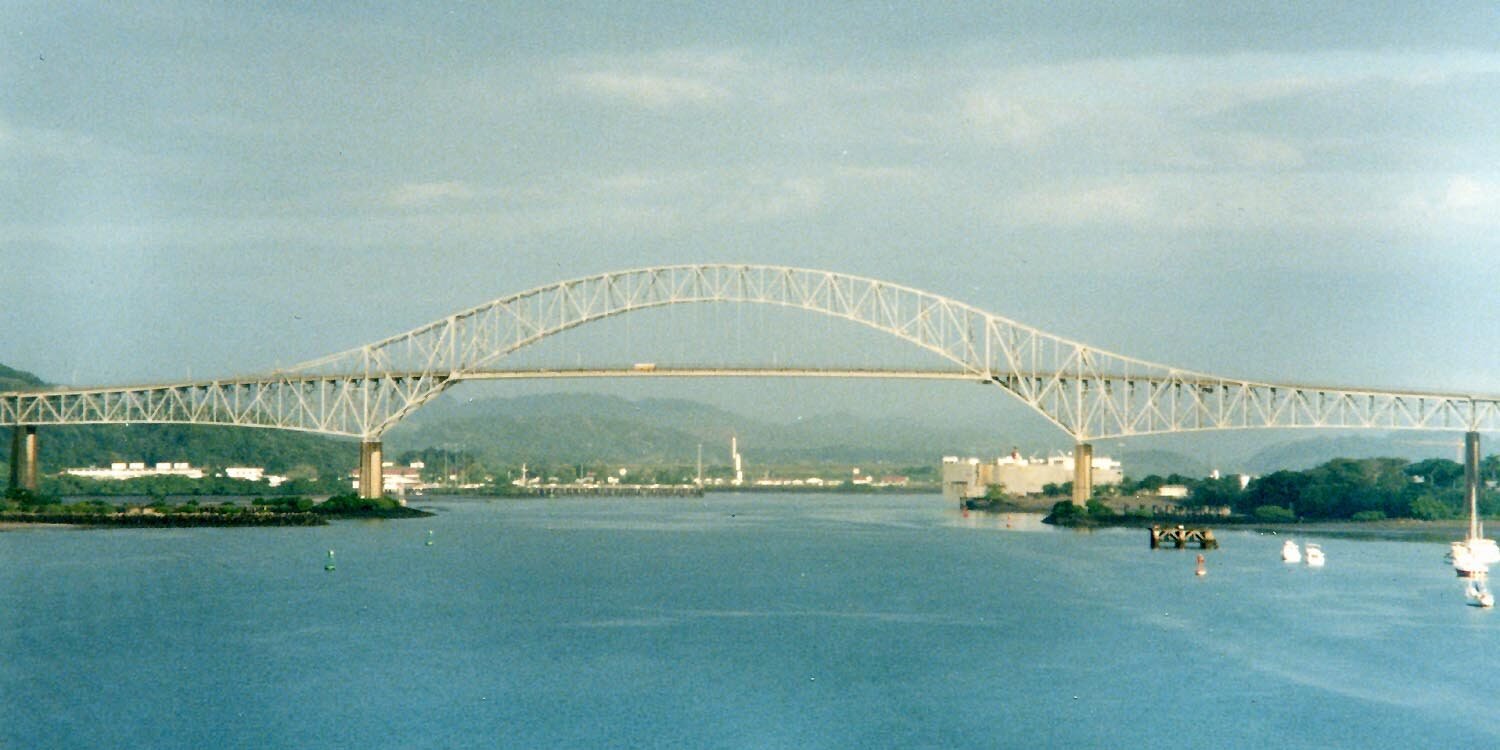
Panamá Pacífico airport (BLB), reopened with a new terminal in 2022, is low-cost carrier Wingo’s hub — 16 destinations including Bogotá, Medellín, Cartagena, Havana and San José, plus the country’s first low-cost domestic route (David). For long-haul flights (Brazil included), Tocumen across town remains the gateway. And here’s the number that rules west-side life: the Bridge of the Americas, built 1962, swallows 50,000+ vehicles a day — 75% of all traffic to the interior. In April 2026 a fire closed it temporarily and the whole region felt the knot (it later passed a structural test with no faults). Relief is coming, with dates attached: the Fourth Bridge (now past US$ 2.6 billion, 37% built) and Metro Line 3 — the monorail is already in testing — both projected for late 2028.
Security: good — but not the brochure’s bunker
The community runs 400+ HD cameras, 40 emergency buttons, 24-hour guard posts and a National Police station on-site. The sense of order is real. But one detail the marketing avoids: Panamá Pacífico’s roads are open to public circulation — only the Veracruz access has a checkpoint; the other two flow uncontrolled, as the area’s own administrator confirmed. It’s not one giant gated community; it’s a planned district with above-average security. That difference matters for calibrating expectations.
The investment: the country’s hottest bracket
The US$ 180-300k bracket — exactly where this area’s 2-3 bedroom apartments live — is currently Panama’s most dynamic, driven by investment-residency visas. The honest counterpoint: new-home sales nationwide fell almost 40% in 2025 — this market is not a straight arrow up, and buying well still means buying calmly.
The part nobody tells you (from someone who lives here)
- A car is mandatory. No metro (until 2028) and no structured public transit. Every trip to the city crosses the bridge — at rush hour, the map’s “20 minutes” stretches considerably.
- Complex emergencies mean crossing the bridge. Panamedica handles the day-to-day, but the high-complexity hospital (Pacífica Salud, Johns Hopkins-affiliated) is on the other side. For families, it goes into the decision math.
- Dengue is a province-level topic, trending the right way. Panamá Oeste ranks among the country’s most affected regions, but the numbers are falling: 387 cases in 2026’s recent tally, down from 570 in the same 2025 window. Standard tropics routine covers the essentials: repellent in the rainy season and screens on the windows.
- The heat is tropical heat. Green, planned and beautiful — and hot and humid year-round.
- What’s still missing: nightlife (the real night is in the city — across the bridge), a full-size hospital, and long-haul flights. That’s the trade: quiet, safety and order in exchange for a dose of dependence on the capital.
Honest verdict
Panamá Pacífico is the country’s most organized bet for living near the capital without living in it — and for business owners, Law 41’s regime is unmatched in the region. The caveats are real (bridge, hospital, car), all sharing one resolution date on the horizon: 2028. Our read, living here: for a family with its own routine and local or remote work, it’s hard to find better in Panama. If you need the city every day, run the rush-hour bridge test before signing anything. The macro numbers behind the decision are in our Panama by the Numbers.