 Base
Base
Last verified: August 20, 2026.
Panama City has two completely different nights — the rooftop-cocktail-with-skyline-views night, and the club night that doesn’t start until 11 p.m. — and newcomers usually get both wrong: too early, wrong neighborhood, wrong outfit. This guide is the map we wish someone had handed us: zone by zone, with real prices, real hours, and the safety notes the tourist brochures skip.
The night map: every zone is a different proposition
Casco Antiguo — rooftop capital
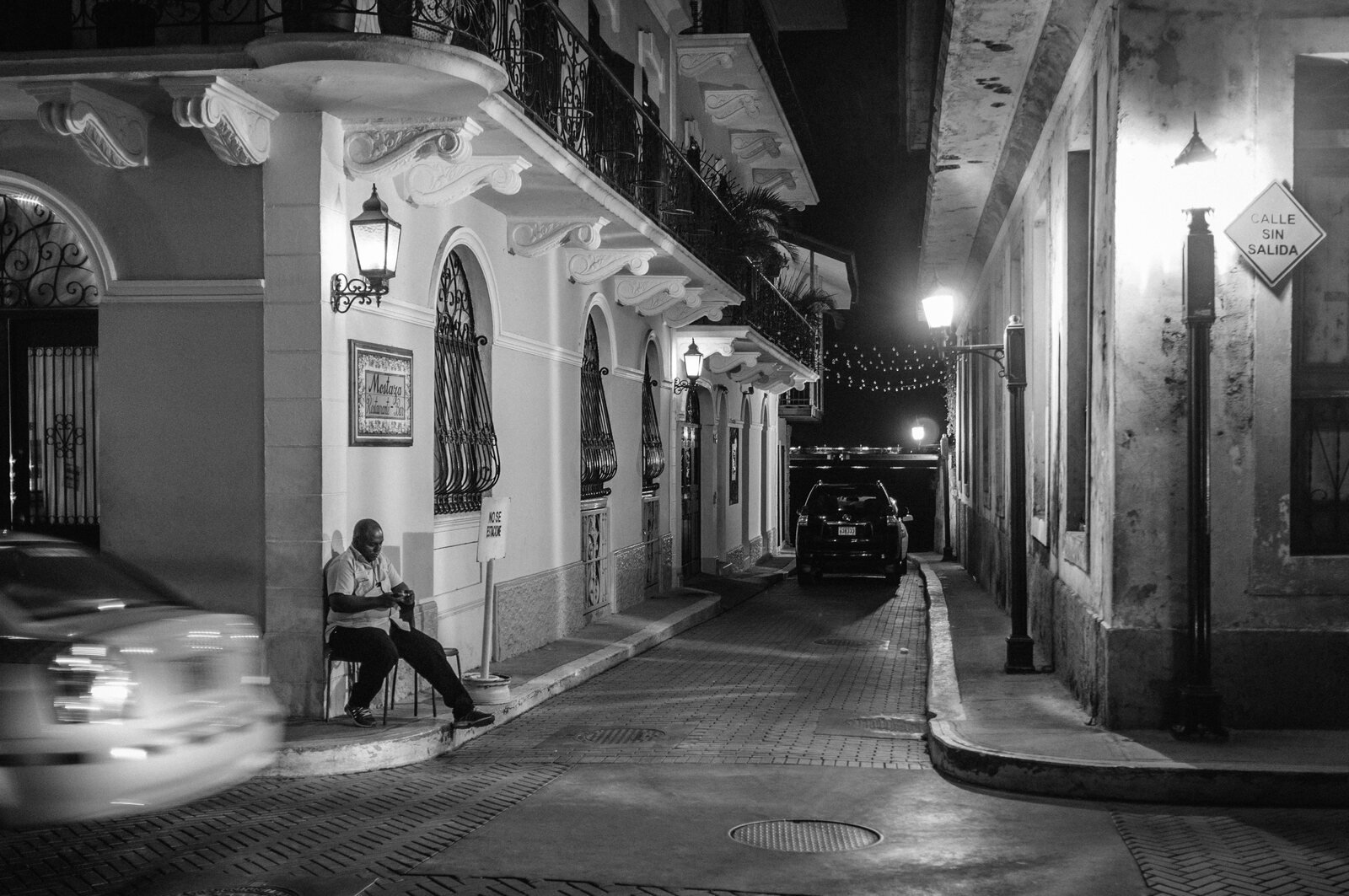
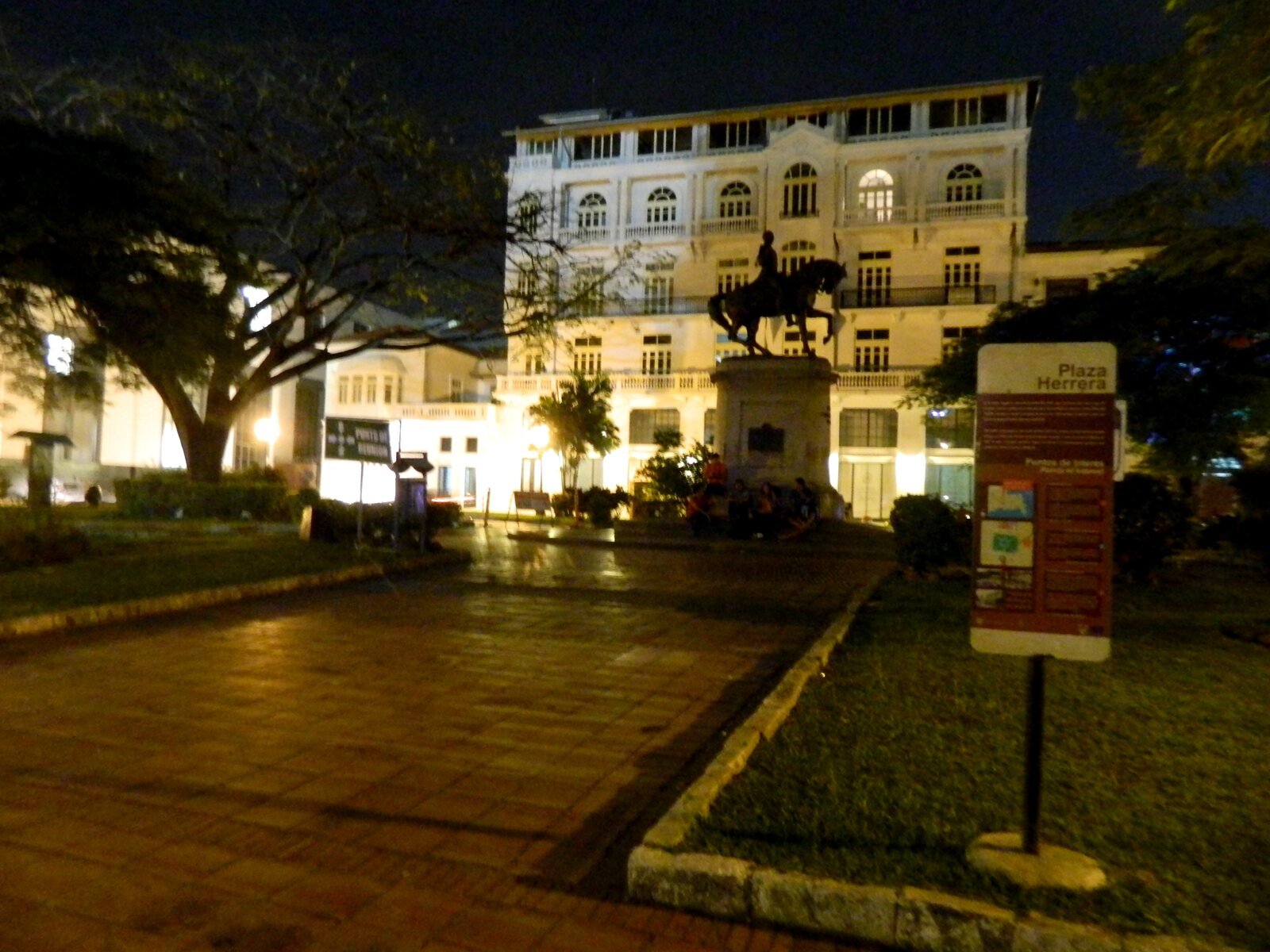
The historic quarter holds the city’s craft cocktail scene and its biggest rooftop concentration — seven in this district alone. The names worth the Uber: Tántalo Roofbar (the veteran, cocktails US$ 10-12, open till 2 a.m., till 4 Thursday-Saturday), CasaCasco on Plaza Herrera (an entire 5-story building: three restaurants, a club on the 4th floor, and a 360º roof terrace, drinks US$ 12.50-14.50), LAZOTEA at Hotel Casa Panamá (the most polished of the lot, US$ 14-18), plus The Day Joe Died, Sama Sky Lounge and Vista Corona (live DJs Thursday-Sunday from 7 p.m.). At street level, craft beer at La Rana Dorada starts at US$ 4.
Calle Uruguay — the dress-up party strip
Bella Vista’s strip is a different animal: reggaeton and hip-hop clubs, a young crowd, lines at the door and Miami-level outfits. Prive (two floors) and Bling are the recurring names. The dress code is enforced: no shorts, caps, flip-flops or athletic wear — slacks and a shirt for men, full production for women.
San Francisco, Obarrio and El Cangrejo — the no-fuss night
Where locals drink well for less: Terrat Rooftop (San Francisco, cocktails US$ 7-9, happy hour 4-7 p.m. on weekdays), Luna Rooftop on Obarrio’s 31st floor (US$ 8-10), and Bella Vista Sky Bar in El Cangrejo (US$ 7-9). Best value in town.
Costa del Este and Amador — the two extremes
Costa del Este isn’t a party zone: its night is corporate after-office and taprooms — Casa Bruja Brewing pours 50+ labels with a food truck outside. The Amador Causeway, meanwhile, is the waterfront night: the “Zona de la Rumba” lines up bars and clubs in rows, covers of US$ 10-20 (often free before 11 p.m.), with Kayuco at the Flamenco marina serving fried seafood into the small hours.
What it actually costs
| Item | Real range |
|---|---|
| Cocktail (San Francisco/Obarrio) | US$ 7-10 |
| Cocktail (Casco rooftops) | US$ 10-14.50 |
| Cocktail (top tier: LAZOTEA, Alma, W) | US$ 14-18 |
| Local beer at a bar | US$ 2.50-4 |
| Club cover (weekend) | US$ 20-40 |
| Table with minimum spend | US$ 150-300 (VIP: US$ 500-1,000) |
| Destination dinner (Maito tasting menu) | US$ 55/person |
| Nighttime Uber between central zones | US$ 5-15 (minimum US$ 4.20) |
The Panamanian clock (show up at the right hour)
Golden rule: nobody goes out before 11 p.m. The rhythm that works is the Casco’s: sunset on a rooftop between 5:30 and 7, dinner, and the night only takes off after 11 — a club at 9 p.m. is an empty room. The real week runs Thursday to Saturday. The city’s legal alcohol cutoff is 3 a.m. (Sunday-Wednesday) and 4 a.m. (Thursday-Saturday)…
…except where the rule was scrapped. Here’s the detail almost no guide has caught: Mayoral Decree 12-2024, announced in late 2024, removed alcohol-sales time limits in Casco Antiguo and the Amador Causeway — in those two zones, venues with a valid night permit no longer have a closing time, as long as the sound stays indoors. That’s why the city’s nightlife keeps consolidating around exactly those two addresses.
Nighttime safety, no sugar-coating
- In the Casco, the tourist core is patrolled and safe — but the less-restored northern edges are transitional blocks. The local habit says it all: people who live in the Casco take Ubers at night instead of walking. Never walk into El Chorrillo or Santa Ana after dark — they border the Casco directly, and one wrong turn by car puts you there.
- On Calle Uruguay, it’s worth citing the most serious source available: the Smithsonian’s (STRI) security bulletin logs reports of fights, shootings and assaults around Calle Uruguay and Avenida Balboa. Not a reason to cross it off the map — a reason to go in a group, drink smart, and leave by Uber.
- Uber, always. The local consensus is that ride apps beat street taxis on safety, and a night ride between central zones almost always lands between US$ 5 and 15.
- The dominant crime against visitors is theft — phone in hand, purse on the chair back. Basic awareness solves it.
The part nobody tells you
- The 10% service charge: the law changed. In Panama it’s now illegal for restaurants to bake the tip into the bill — consumer-protection law requires itemized charges, and tipping is your call (custom remains 10%). If it shows up automatically, you can dispute it with ACODECO. Plenty of people used to pay twice without noticing; now you won’t.
- Parking in the Casco is for insiders. The district wasn’t designed for cars; the organized fix is Casco Parking (300+ monitored spots with valet, monthly contracts around US$ 120). For a one-off night, honestly: take the Uber.
- Thinking of BUYING in the Casco? Reread that decree. No-limit alcohol hours + a noise rule that depends on enforcement (the legal nighttime cap is 50 dB) = a charming apartment that may come with a party at the door. For an investor that’s decision data, not local color. Our Casco Viejo guide covers the neighborhood in depth.
- “Propina” means tip. In Panamanian Spanish, propina is a gratuity — not a bribe. Saves you an awkward moment.
Honest verdict
Panama City’s nightlife is better than its reputation — polished in the Casco, unpretentious in San Francisco, loud on Uruguay — and it fits many budgets, from the US$ 7 cocktail to the US$ 1,000 VIP table. The rules of the game: go out after 11, dress for the room, Uber everywhere, and note that the two zones where the night never legally ends are exactly the two prettiest in the city. That’s not a coincidence.